With more than 20 years of experience in automotive and embedded systems, we help teams not only comply with ASPICE – but implement it productively and efficiently.
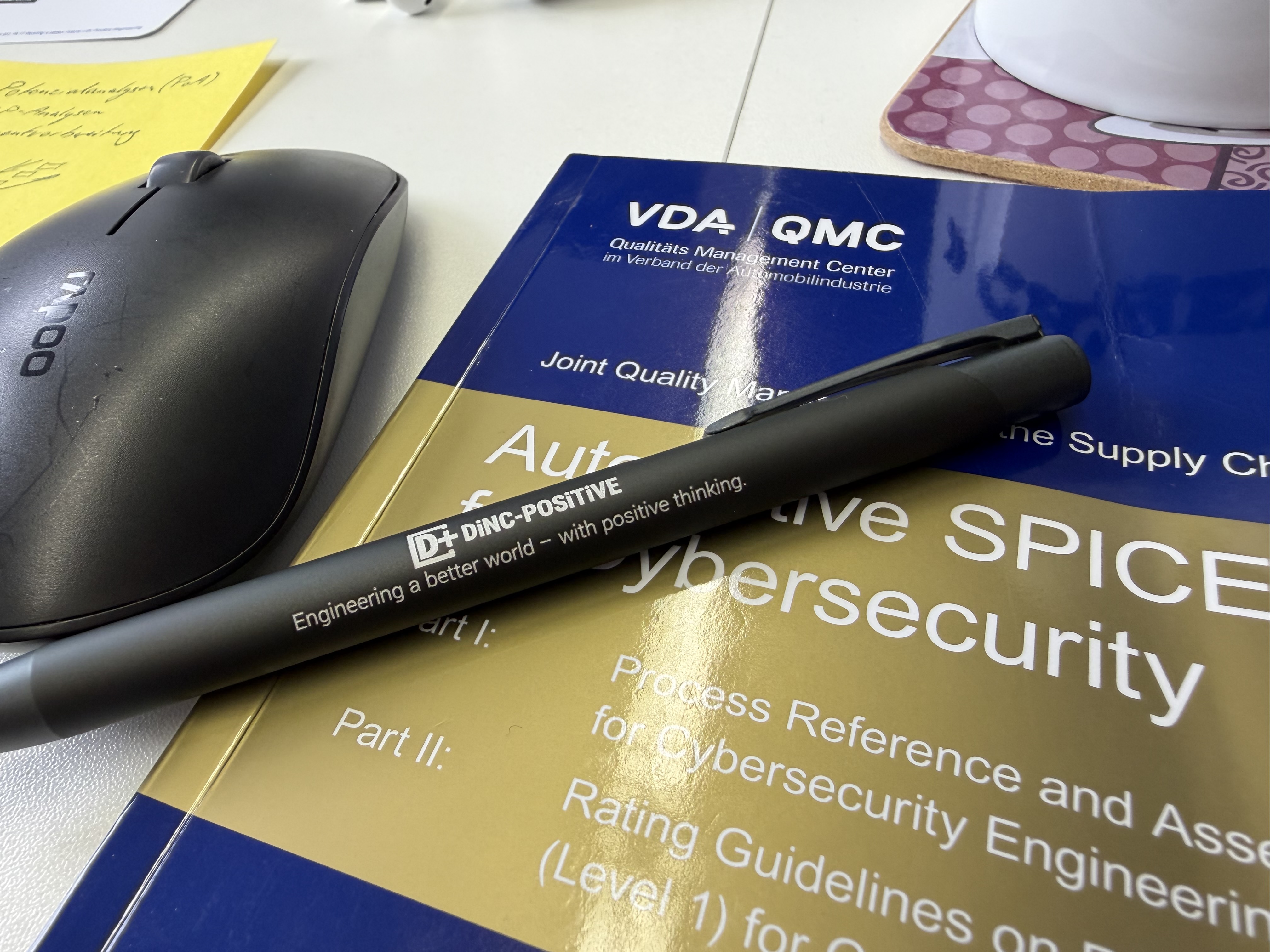
Automotive SPICE (ASPICE) evaluates not only whether processes exist, but whether they are *effective*. In modern software-defined vehicle projects, complexity, time-to-market pressure and regulatory requirements have increased significantly.
ASPICE provides structure, traceability and stability. Used correctly, it is not a bureaucratic model – but a development framework that improves quality and project control.
Evaluation of all relevant processes according to the NPLF scheme. Suitable for OEMs, Tier-1 suppliers and software organizations.
Ideal before an official assessment: identify risks, review artifacts, prepare the storyline.
Document review, artifact chains, team coaching, consistency checks and traceability analysis.
Design of lean, practical processes – roles, workflows, templates and reviews without unnecessary overhead.
Our team combines deep technical understanding with process and assessment expertise. It includes Provisional Assessors, test managers, software and systems engineers, and experienced quality managers.
We do not view ASPICE as an audit topic – but as a development model that makes projects more stable, transparent and repeatable.
Requirements → Architecture → Design → Implementation → Tests are often not connected consistently.
GP2.1/GP2.2 are often underestimated – without KPIs there is no Level-2.
Too many tools without a shared data foundation lead to fragmentation.
Roles are poorly defined or not applied consistently in practice.
Traceability is often perceived as effort-intensive – yet it is the core quality anchor.
Many organizations react too late – ASPICE helps identify bottlenecks early.
Processes exist but are not bindingly implemented – a typical CL1 pitfall.
Teams often do not know how close or far they are from Level 2/3 readiness.
An ASPICE assessment evaluates how effectively development processes function and which evidence exists.
Typical sequence:
1. Define scope & tailoring
2. Collect artifacts & prepare the storyline
3. Conduct interviews with role owners
4. Evaluate processes using the NPLF rating
5. Create improvement plan & roadmap
All results are pragmatic, actionable and clearly structured.
A direct Excel template for evaluating all processes.
Helps teams prepare artifacts in a clear and reviewable structure.
The key KPIs required for Level-2/3 evidence – structured and ready to use.
Practical checklists based on real automotive projects.
In our Tech5 podcast series, we discuss modern product development, diagnostic systems, innovation and ASPICE.
We explain common mistakes, effective practices, Level-2/3 misconceptions and pragmatic process improvements. This episode is valuable for both beginners and experienced engineers.
Whether gap analysis, Level-2/3 enablement or process development – we support you quickly and effectively.
Contact Us